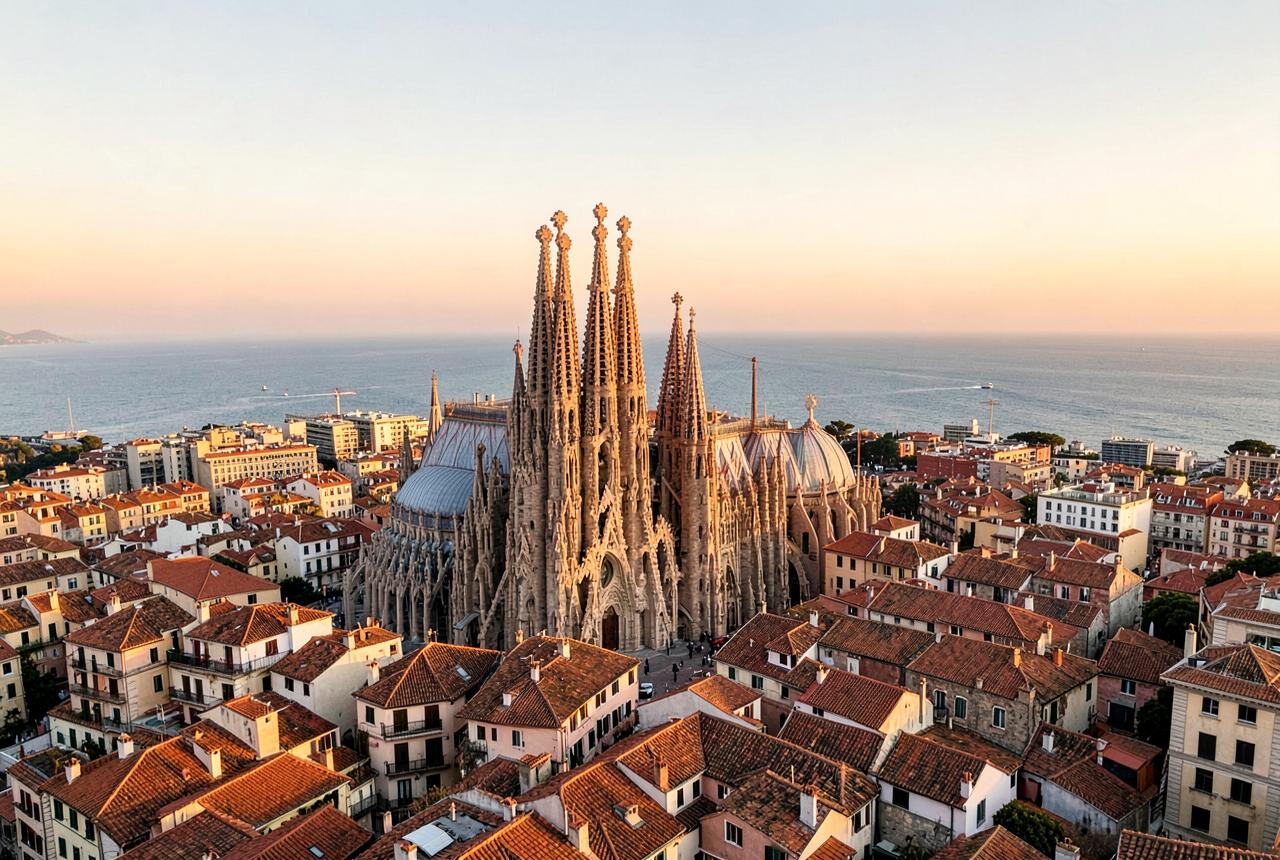
Barcelona
Best month: May
- July avg. high
- 28°C
- January avg. high
- 14°C
+Excellent balance of weather, daylight and manageable crowds.
Country guide
Spain is not one climate. Seville and Madrid are very hot in the summer, with average July highs of 36°C and 33°C, while the coast is milder at around 30°C in Valencia. In January, average highs run from 10°C to 21°C, so winter is mild on the coast, warm in Tenerife and cold at night in Madrid.
Spring and autumn are the best seasons for most trips: warm enough to sit outside, far less crowded than July and August, and cheaper. The cards below show when each of the eight places I cover is at its best, and the month-by-month guide links to every month page.
The short answer
May, September and October are the best months for Spain overall.
Based on the average of weather, crowds, prices and events across the 8 cities below.
By Daan · Last reviewed October 2026
Barcelona, Madrid and Seville are the classic city breaks. The timing question is mostly about heat: all three are far more comfortable outside July and August.
Best month: May
+Excellent balance of weather, daylight and manageable crowds.
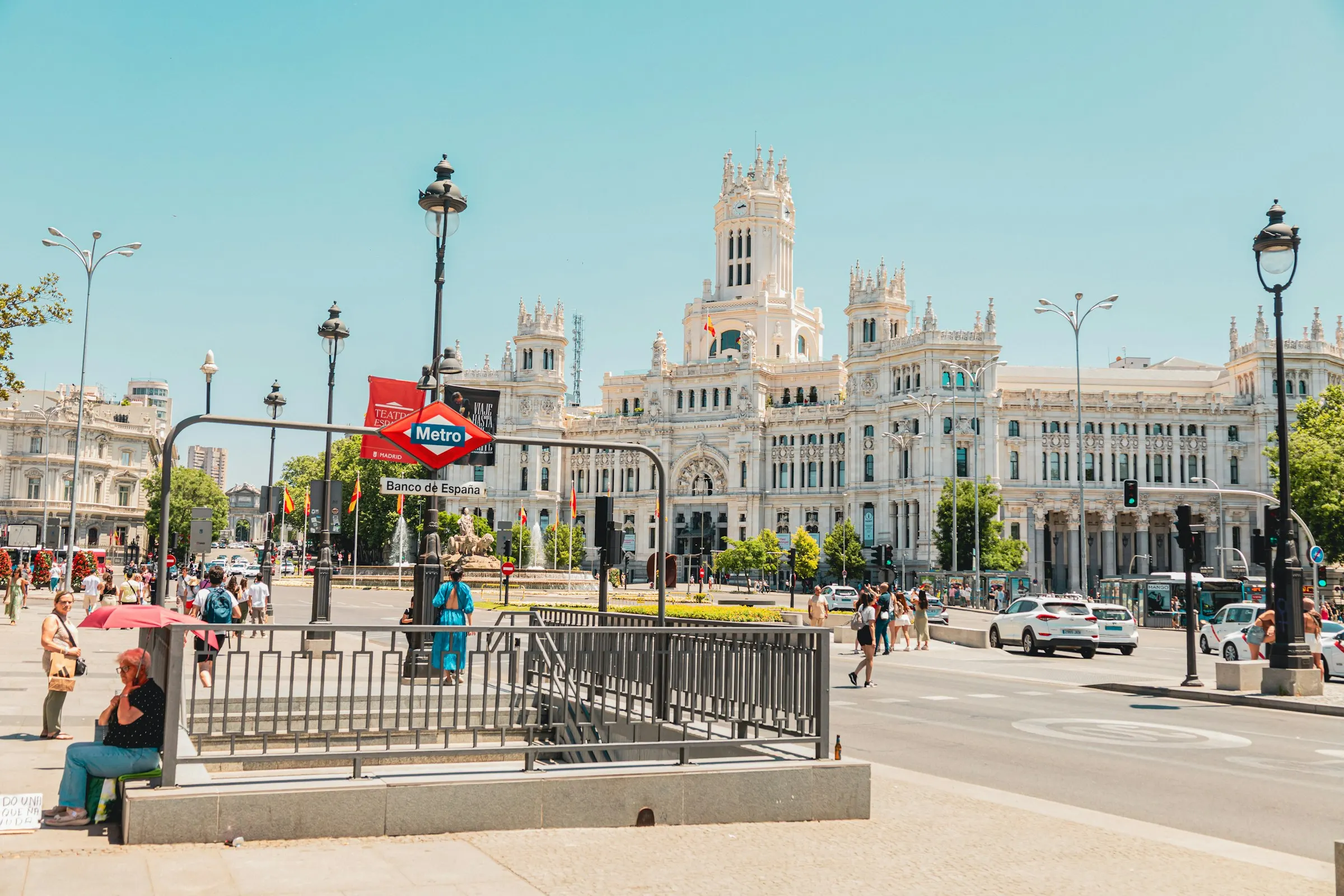
Best month: May
+Great weather + long evenings
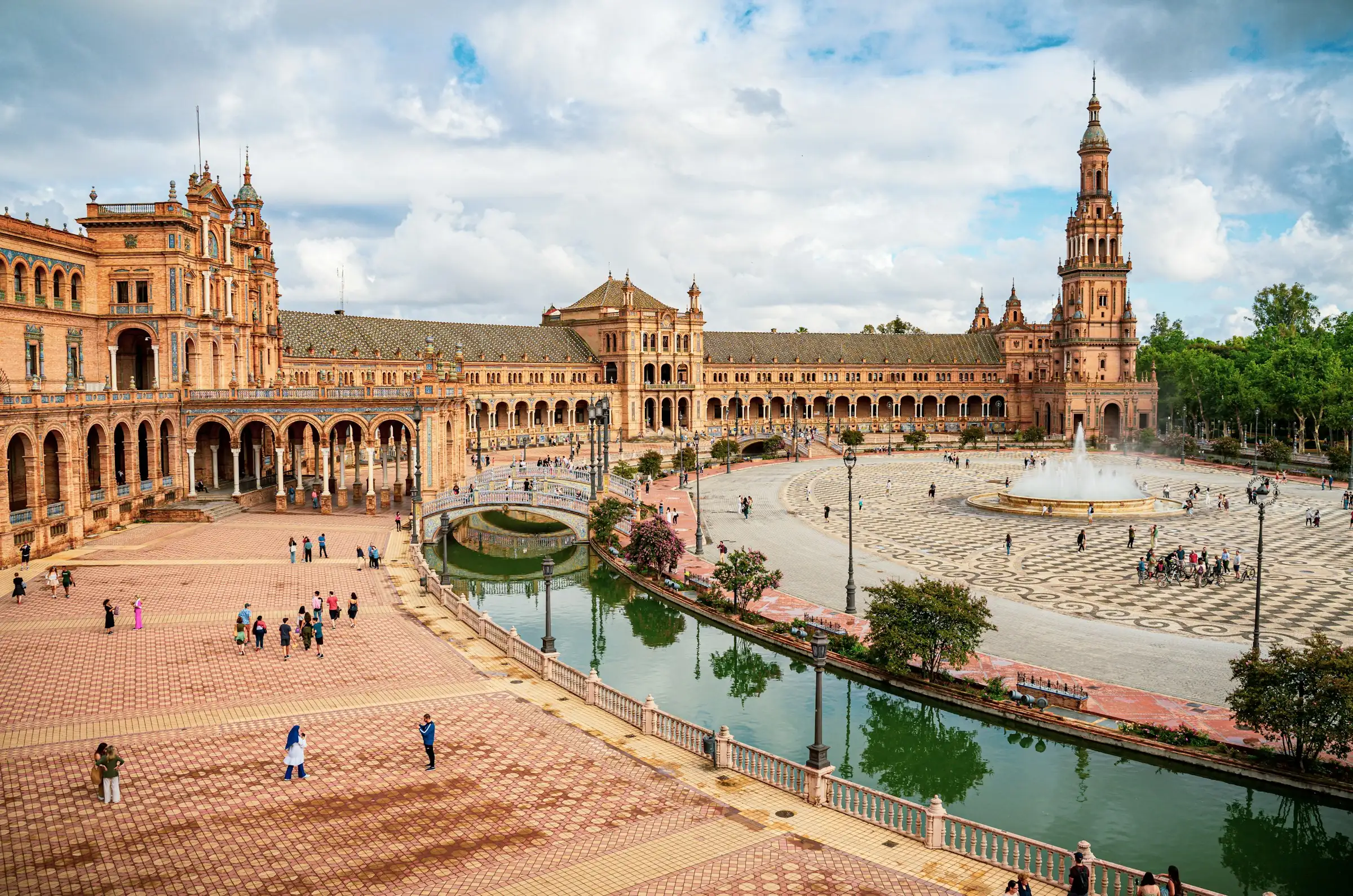
Best month: October
+Comfortable heat + manageable crowds
Málaga, Valencia and Palma combine a city with a beach. They are the mildest in winter and the easiest all-rounders.
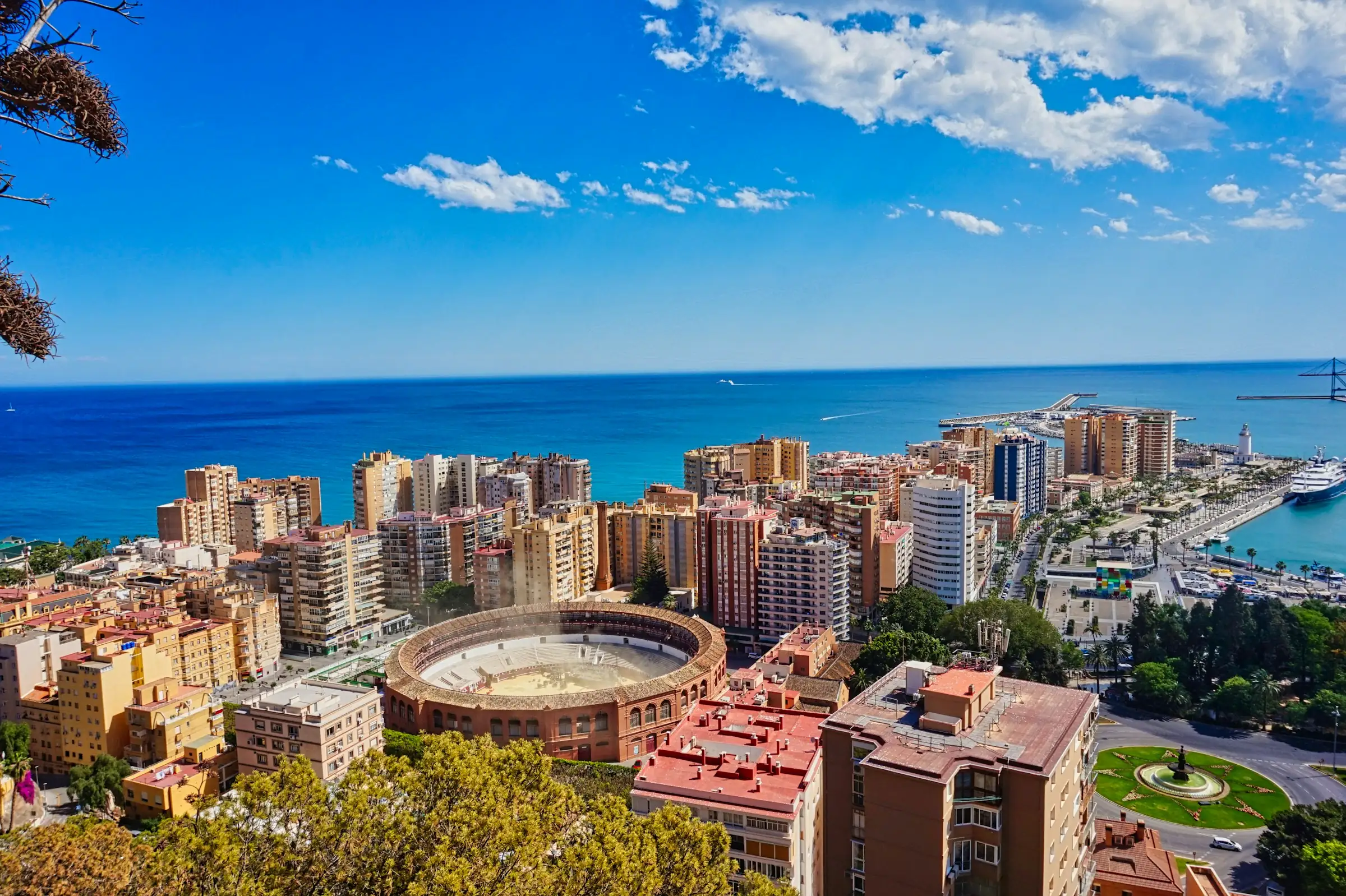
Best month: May
+Near-perfect weather balance
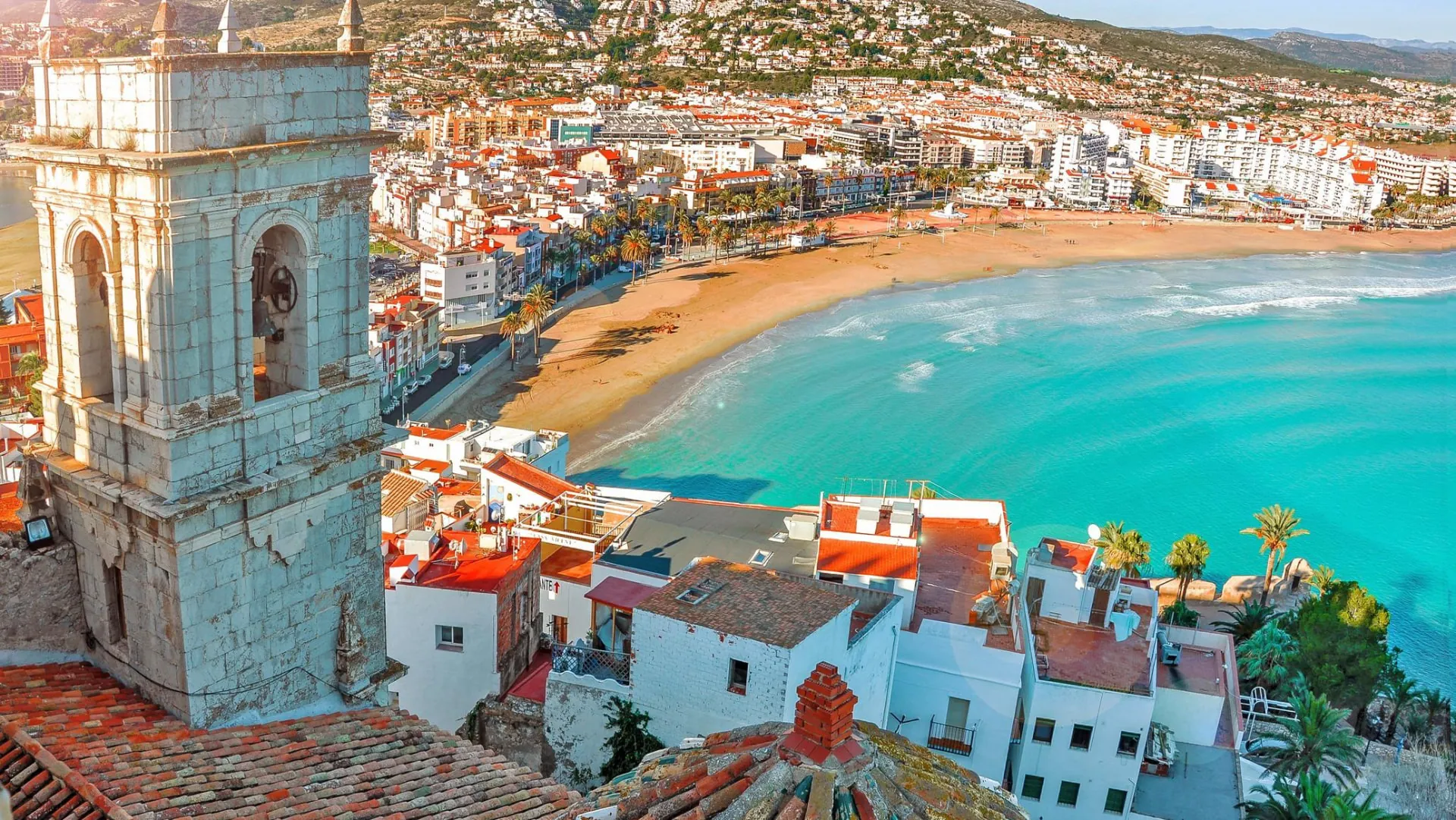
Best month: May
+Excellent weather + balanced crowds
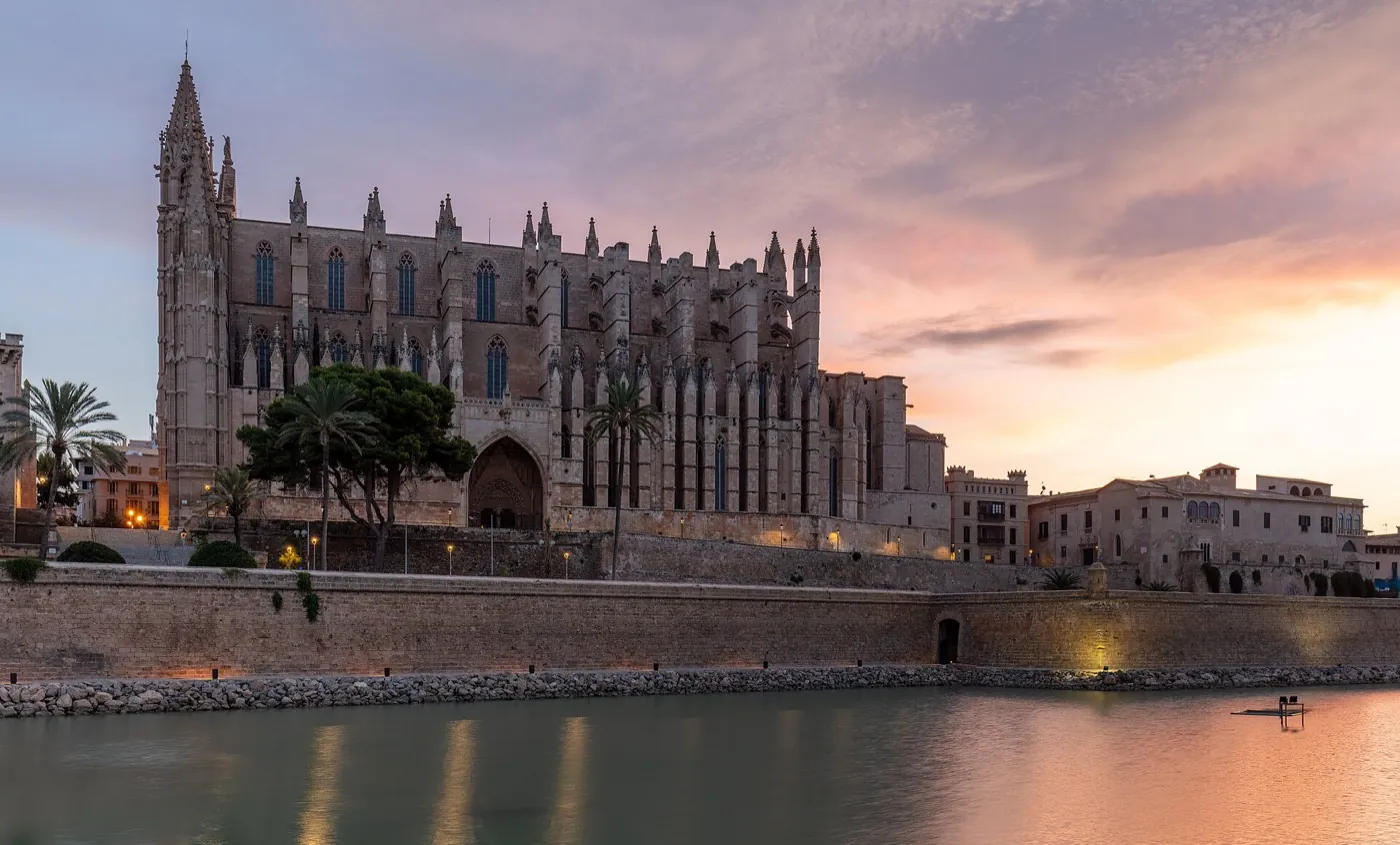
Best month: September
+Warm sea and calmer streets.
Tenerife, in the Canary Islands, is warm all year. It is the one place here where winter is still beach weather, which also makes winter its busiest season.
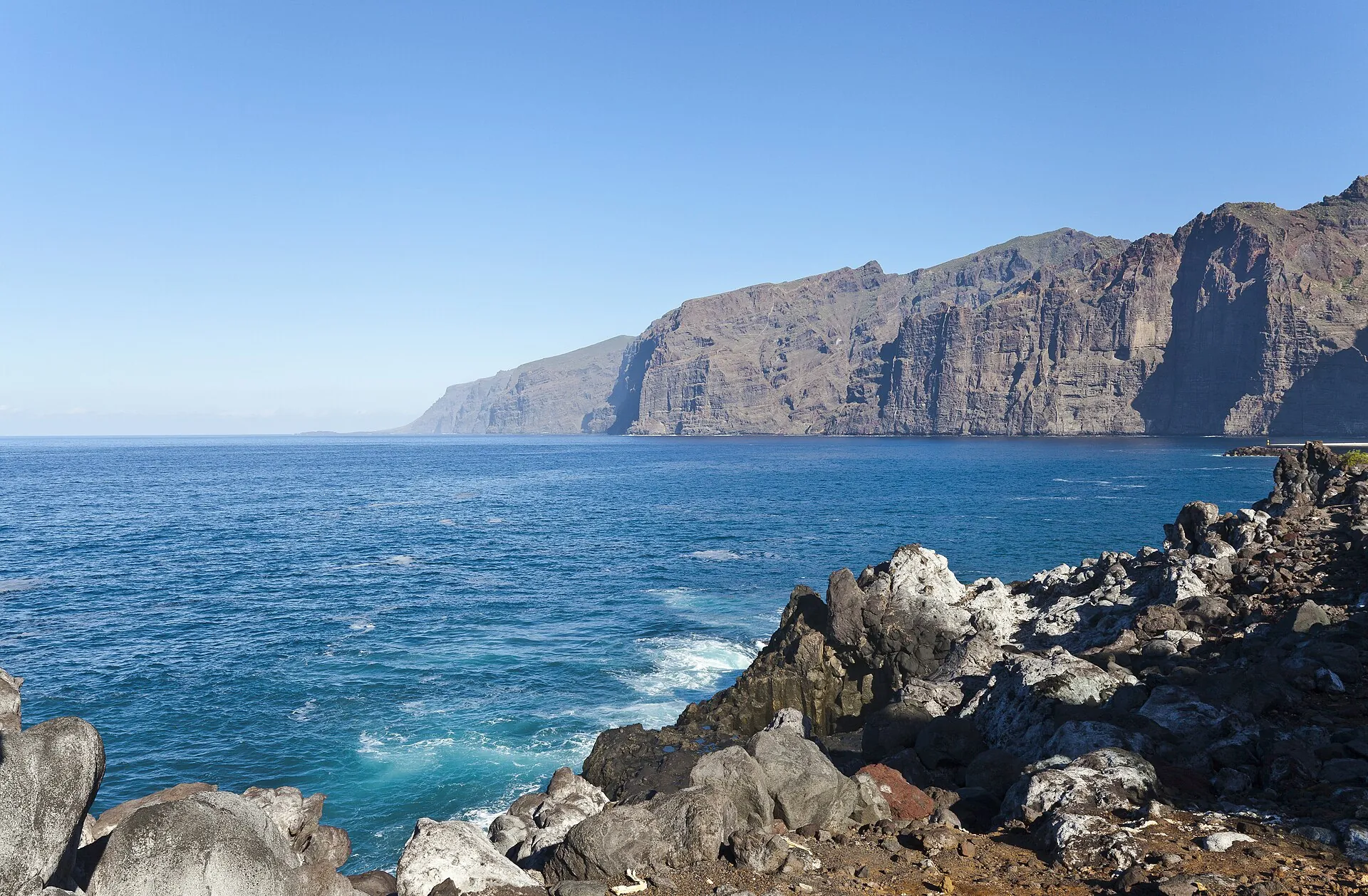
Best month: May & October
+Warm, dry and calmer.
Ibiza is at its best from May to October, with warm sea and the club season from late April to October. From November to March much of the island closes.
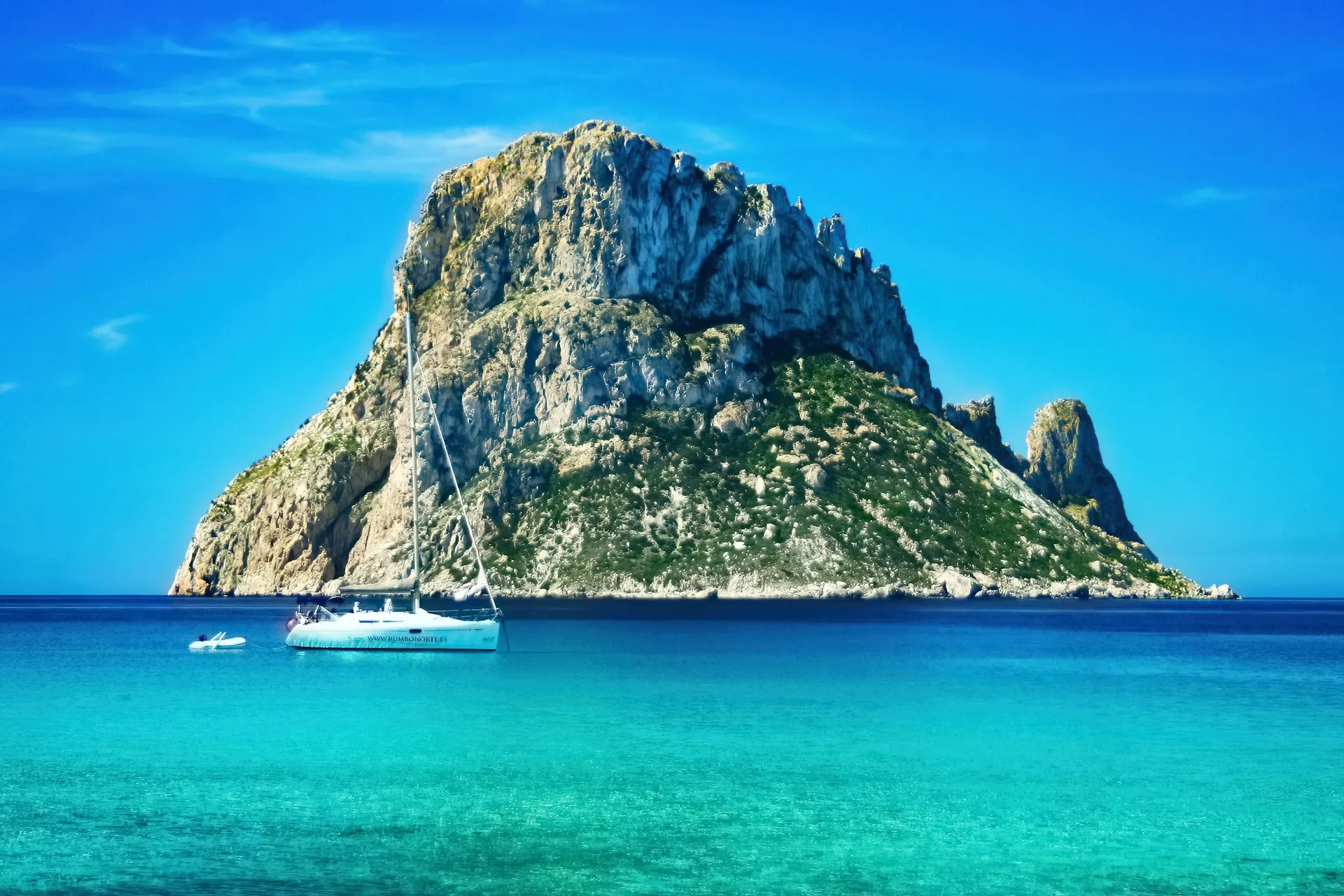
Best month: May & September
+Warm days and quiet coves.
Month by month
Average highs across the cities, and a link to each city's page for that month.
January
Highs 10–21°C
MadridSevilleValenciaBarcelonaMálagaPalma de MallorcaTenerifeIbiza
February
Highs 12–21°C
MadridSevilleValenciaBarcelonaMálagaPalma de MallorcaTenerifeIbiza
March
Highs 16–22°C
MadridSevilleValenciaBarcelonaMálagaPalma de MallorcaTenerifeIbiza
April
Highs 18–24°C
MadridSevilleValenciaBarcelonaMálagaPalma de MallorcaTenerifeIbiza
May
Highs 22–28°C
MadridSevilleValenciaBarcelonaMálagaPalma de MallorcaTenerifeIbiza
June
Highs 26–33°C
MadridSevilleValenciaBarcelonaMálagaPalma de MallorcaTenerifeIbiza
July
Highs 28–36°C
MadridSevilleValenciaBarcelonaMálagaPalma de MallorcaTenerifeIbiza
August
Highs 29–36°C
MadridSevilleValenciaBarcelonaMálagaPalma de MallorcaTenerifeIbiza
September
Highs 26–32°C
MadridSevilleValenciaBarcelonaMálagaPalma de MallorcaTenerifeIbiza
October
Highs 20–26°C
MadridSevilleValenciaBarcelonaMálagaPalma de MallorcaTenerifeIbiza
November
Highs 14–24°C
MadridSevilleValenciaBarcelonaMálagaPalma de MallorcaTenerifeIbiza
December
Highs 10–22°C
MadridSevilleValenciaBarcelonaMálagaPalma de MallorcaTenerifeIbiza
What changes a trip
Madrid · July–August
Plan around the heat
Madrid is much easier to explore when you respect the temperature. In July and August, avoid scheduling long walking routes in the middle of the afternoon. Start early, slow down over lunch and save parks, rooftops and neighbourhood wandering for the cooler evening hours.
Madrid · May, September and October
The sweet spot
May, September and October offer the strongest overall balance. You get comfortable conditions for sightseeing without the extremes of Madrid’s summer heat.
Seville · April (dates move with Easter)
Semana Santa and Feria de Abril
Seville's two biggest annual events both fall in or around April: Semana Santa's hooded religious processions, followed roughly two weeks later by the week-long Feria de Abril fairground. Hotel rates can run two to three times normal, and the city books out months ahead.
Seville · June–August
Plan around the heat
Seville is genuinely one of Europe's hottest major cities, routinely passing 37°C in July and August. Many visitors avoid these months entirely, which paradoxically makes them some of Seville's quietest and best-value — if you can structure your day around the heat.
Valencia · March
Plan Fallas deliberately
Fallas is Valencia’s biggest annual celebration. Expect major crowds, street closures, fireworks and higher demand around the main festival dates.
Valencia · July–August
Beat the summer heat
Keep long sightseeing walks to the morning, slow down during the hottest afternoon hours and use the beach or shaded areas before heading back out in the evening.
Barcelona · February/March
Mobile World Congress
Major increase in visitors and hotel demand. Dates vary by year.
Barcelona · March/April
Easter / Holy Week
Visitor numbers can increase significantly around Easter, especially at major attractions.
Palma de Mallorca · July–August
Peak summer
Hot, busy and the most expensive period on the island.
Palma de Mallorca · Mid-January
Sant Sebastià
Palma's city festival brings concerts and street events.
Tenerife · December–March
Winter-sun peak
Northern Europeans come for the warmth. Book flights and hotels early, especially around Christmas.
Tenerife · Any time, more often in winter
Calima
Hot, dusty air from the Sahara can bring haze and poor air for a few days.
Ibiza · July–August
Peak season
The island is full and prices peak. Book cars, boats and club tickets weeks ahead.
Ibiza · November–March
Winter closures
Most clubs, beach bars and many hotels close, and flights are reduced.
Good to know
Avoid the interior in July and August
Madrid and Seville are far more comfortable in spring or autumn. If you must go in summer, plan sightseeing for the morning and evening.
Check festival dates
Fallas in Valencia, Semana Santa and the Feria de Abril in Seville, and Mobile World Congress in Barcelona all change prices and availability. See each city's page for the timing.
Combine city and coast
Valencia, Málaga and Palma let you add beach days to a city break, especially in May, June and September.
FAQ
Across the eight places I cover, May, September and October come out best on weather, crowds, prices and events combined. Individual cities differ, so check the city card for its own best month.
The interior and the south are very hot in July and August: average highs are 36°C in Seville in August. The coast is milder, but all of Spain is busiest and most expensive in these months.
Tenerife is the warmest, with average January highs of around 21°C. On the mainland the coast is mildest: Málaga, Valencia and Palma have average January highs of around 15 to 17°C, while Madrid is colder at around 10°C. Palma has seasonal closures from November to March.
Usually in January, February and November, outside of local festivals and holidays. Each city's month pages show the price level for that month.
Winter ideas