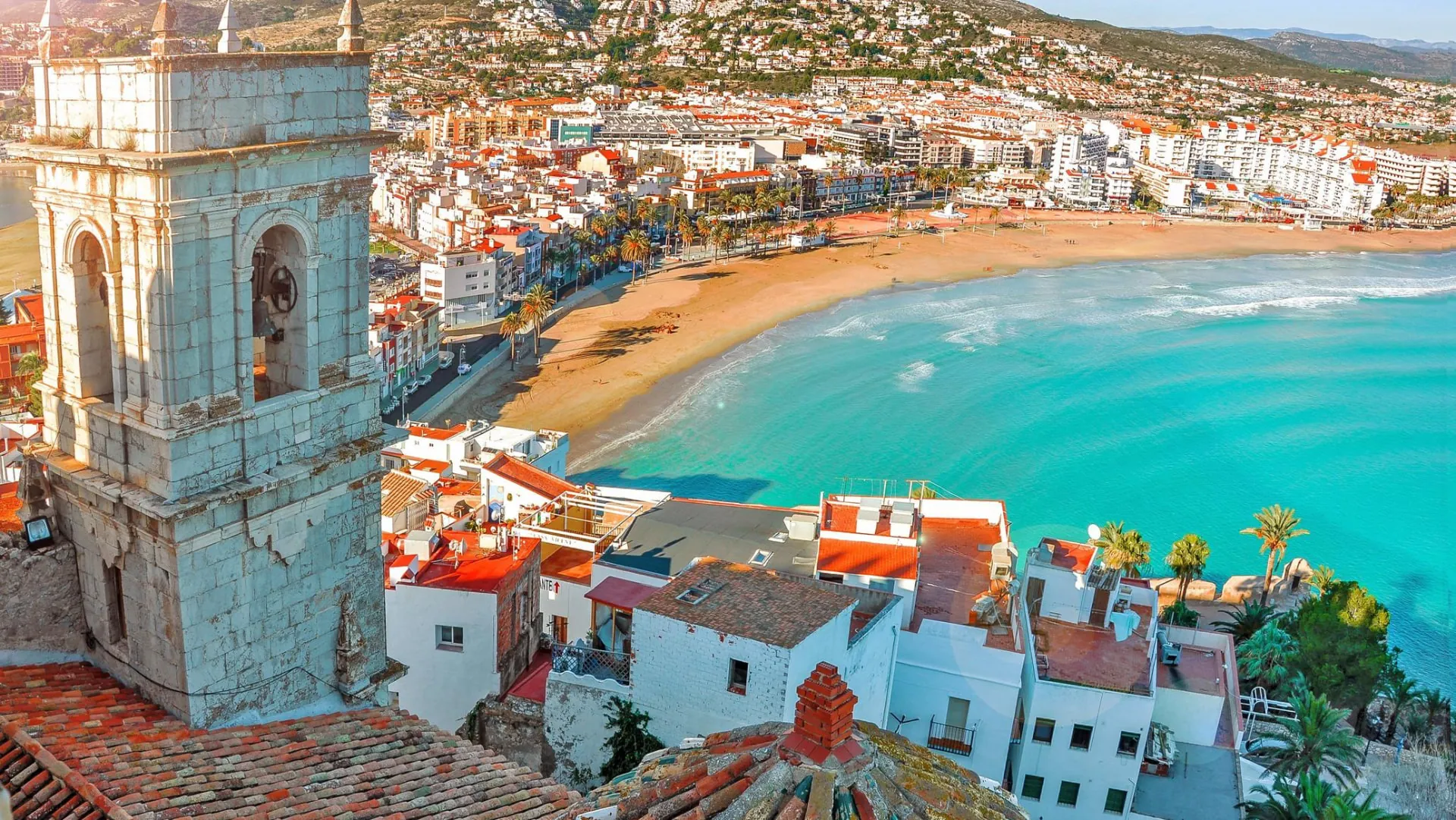
Spain
Valencia
- Jan–Feb avg. high
- 17°C
- January crowds
- Low
- Prices
- €€
+Mild weather + strong value
–Too cool for reliable beach days
Winter escapes
Once the holidays are over, many of Europe's most visited cities become far calmer and cheaper. January and February are not for sunbathing, but museums, restaurants and old towns are easy to enjoy without the queues.
Each card shows the average January–February high, how busy and expensive January is, and the main upside and downside. The temperatures are real averages, so pack for them.
By Daan · Last reviewed October 2026
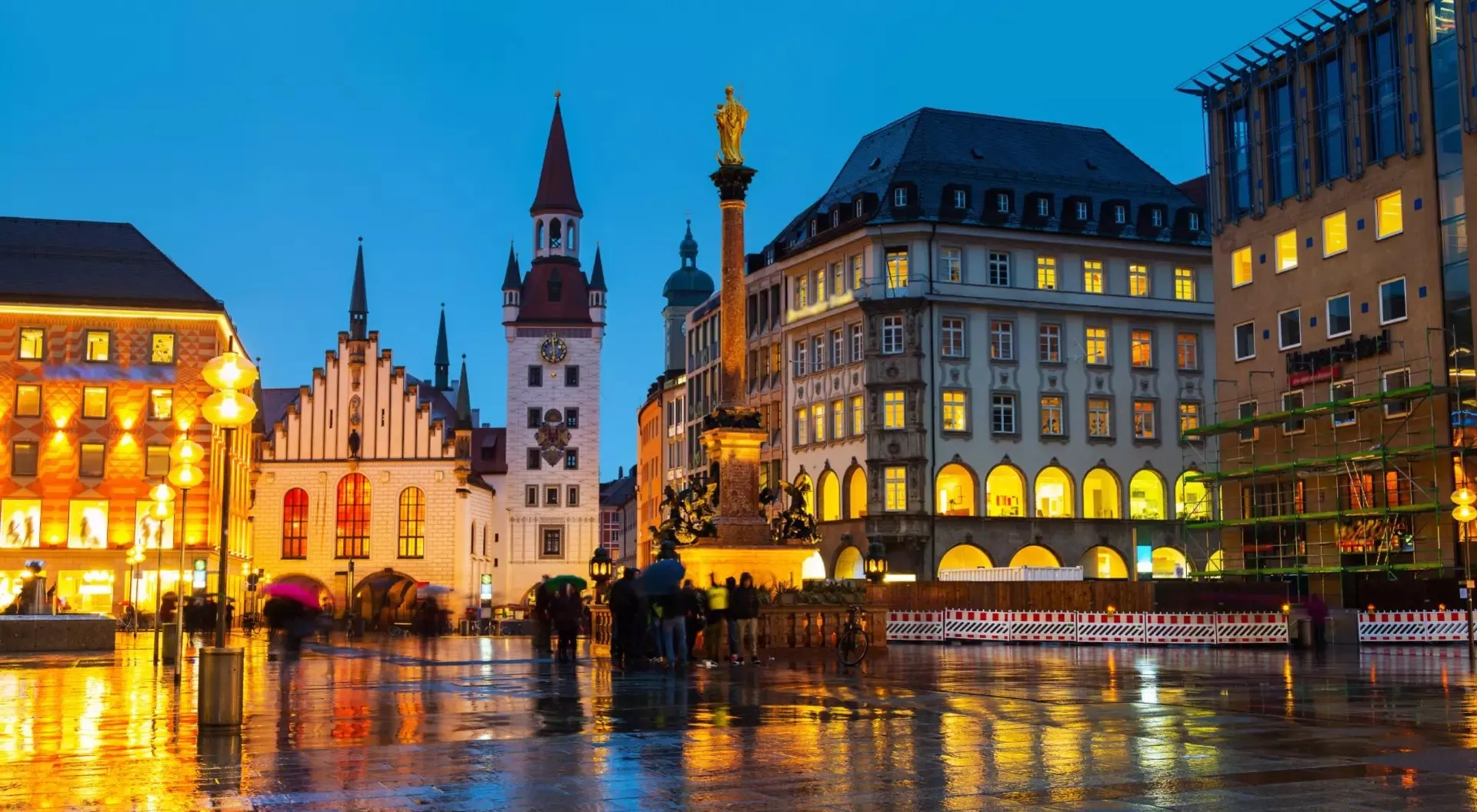
Photo: Munich
Cool rather than cold, with plenty of bright days and some of the lowest prices of the year.
Spain
+Mild weather + strong value
–Too cool for reliable beach days
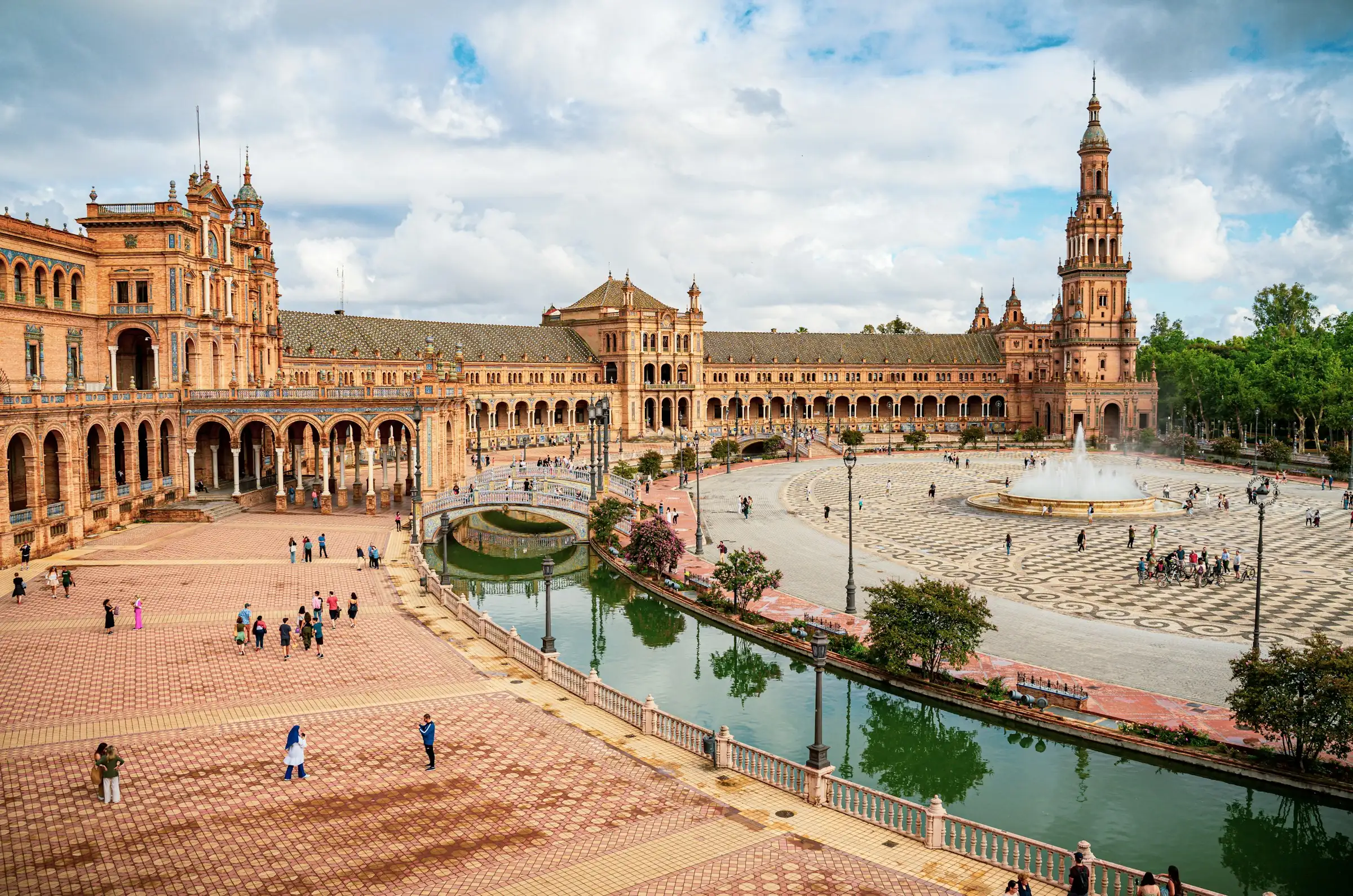
Spain
+Low crowds + low prices
–Cool evenings and occasional rain
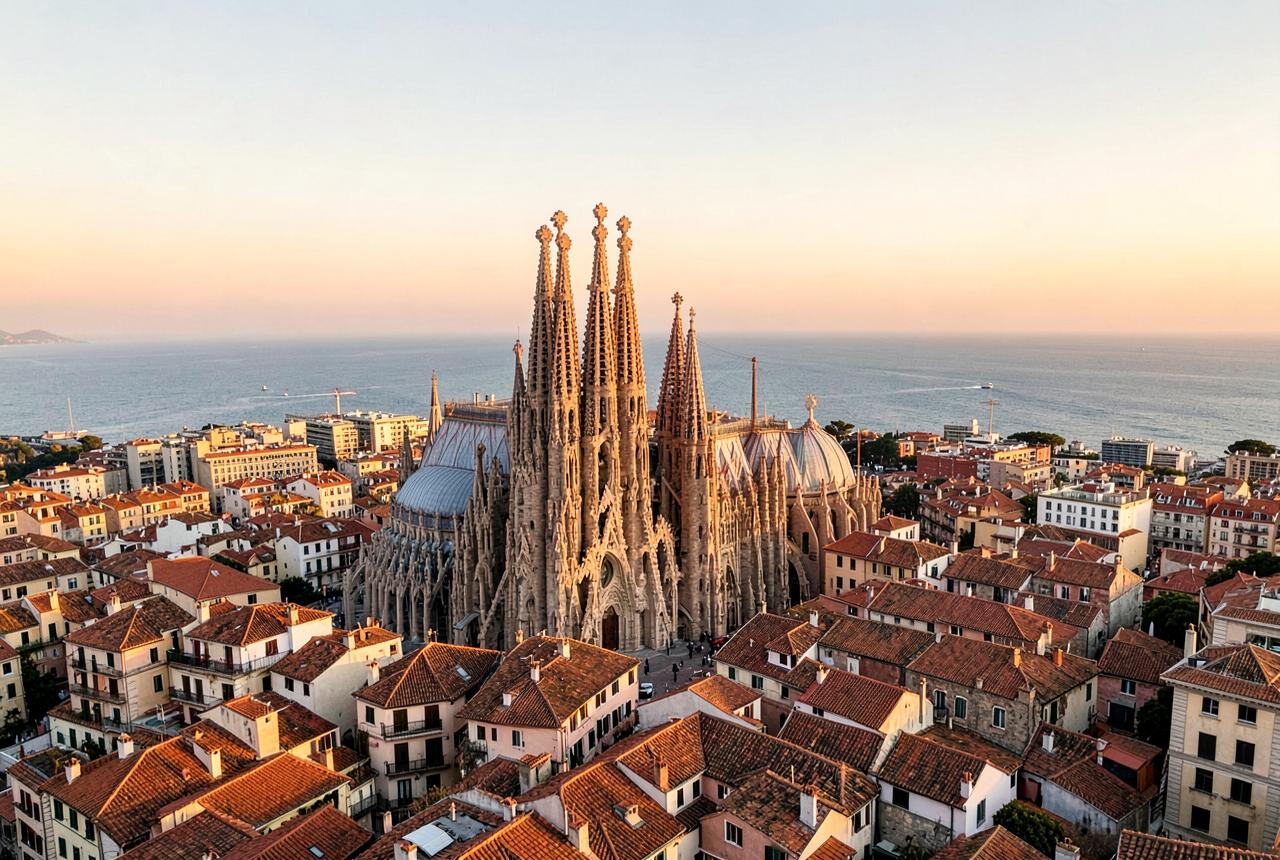
Spain
+One of the quietest and best-value periods.
–Cool temperatures and a higher chance of rain.
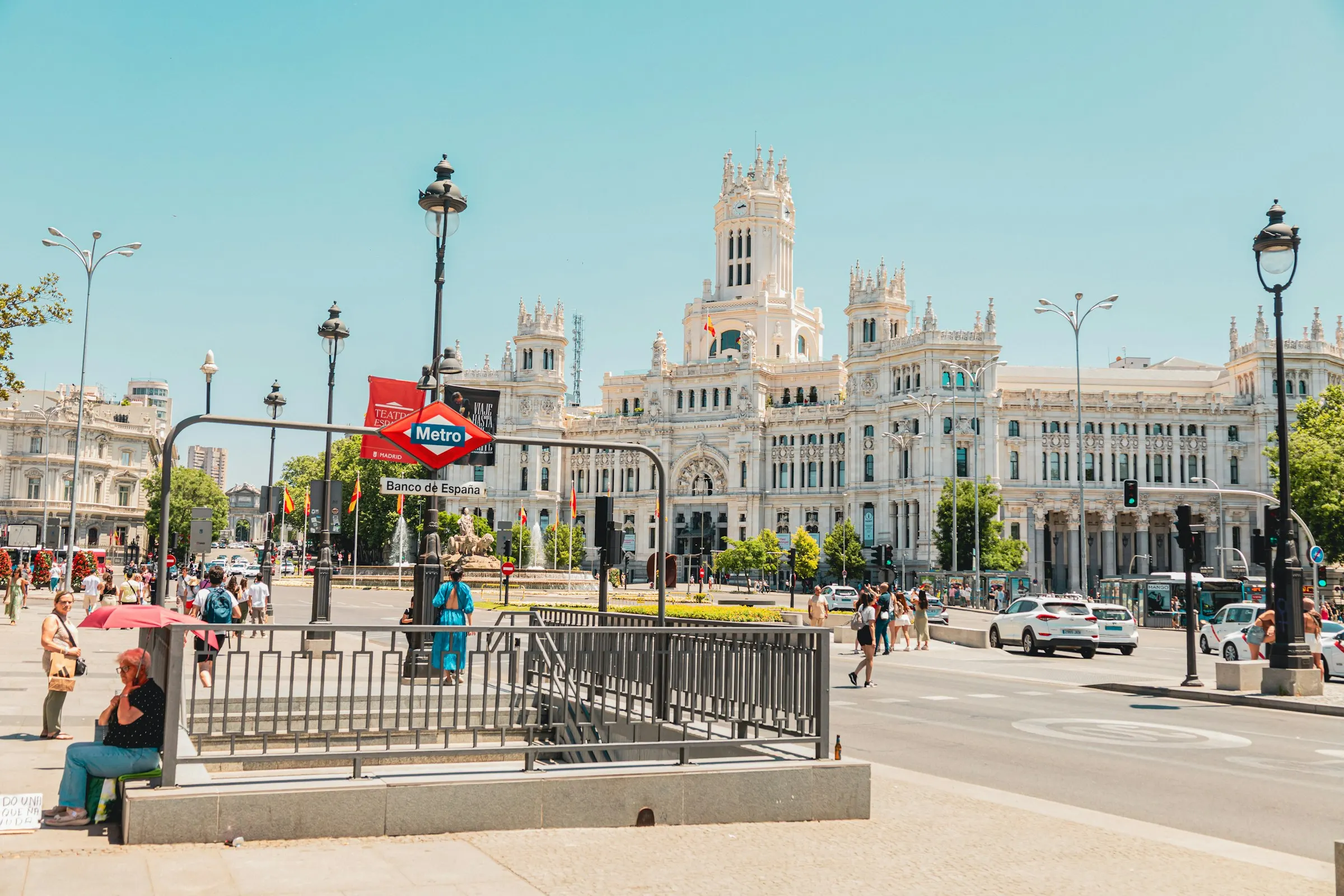
Spain
+Low crowds + better hotel value
–Cool nights
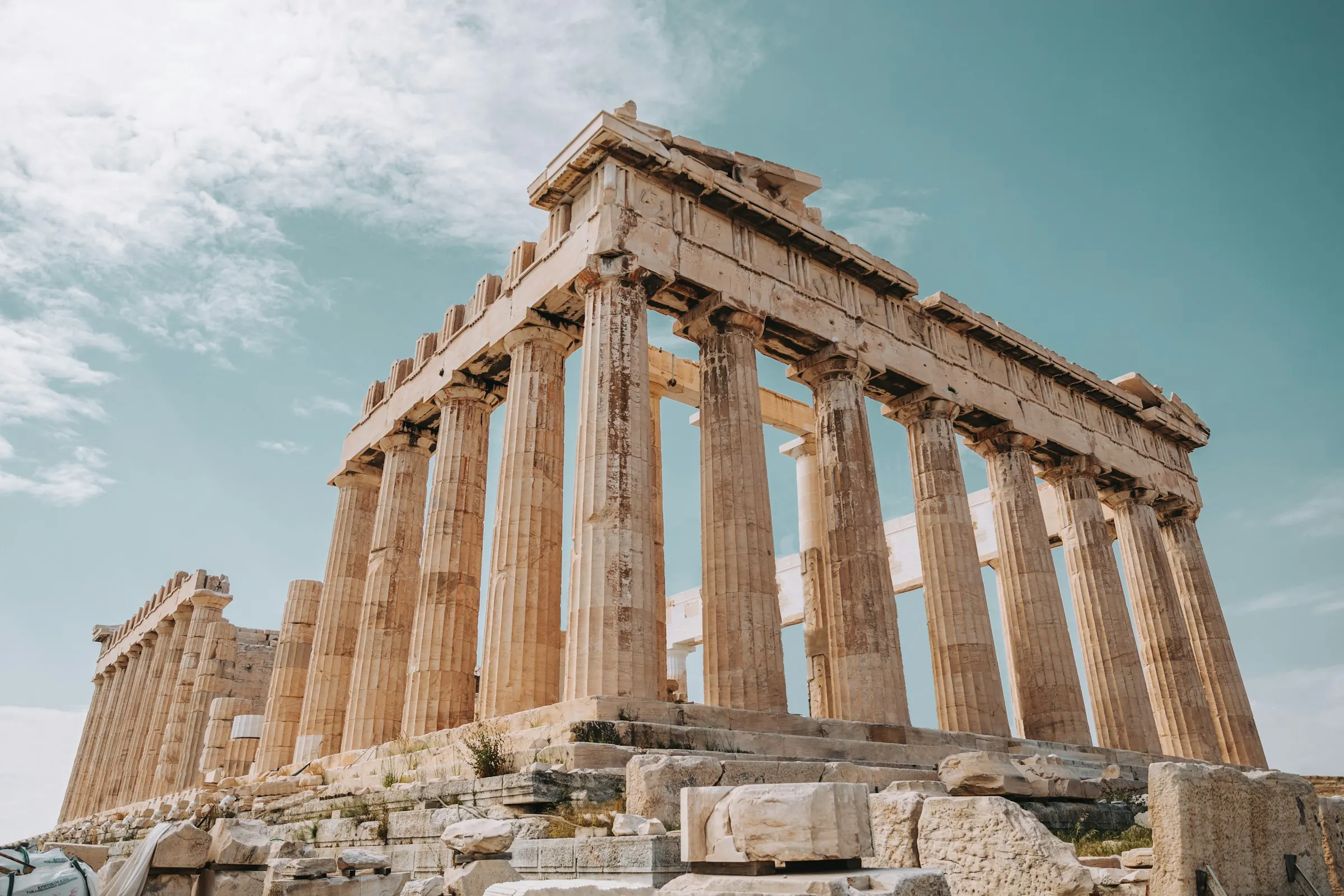
Greece
+The quietest side of Athens: easier access to major archaeological sites, relaxed neighbourhoods and some of the year’s best accommodation value.
–Cooler, shorter days and more frequent rain make this a weaker month for long outdoor days, rooftop evenings and beach time.
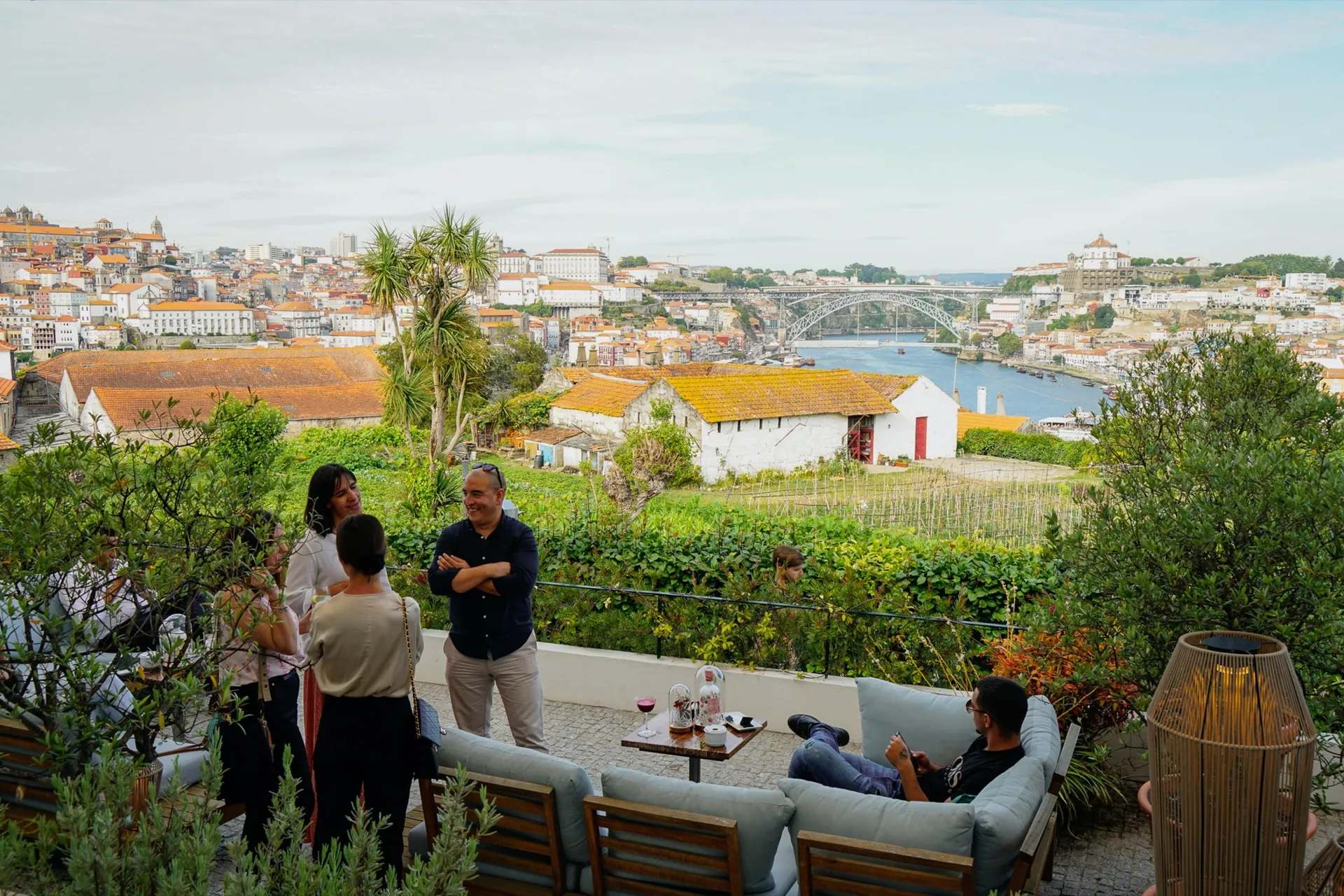
Portugal
+Lower seasonal demand.
–Frequent rain and short days.
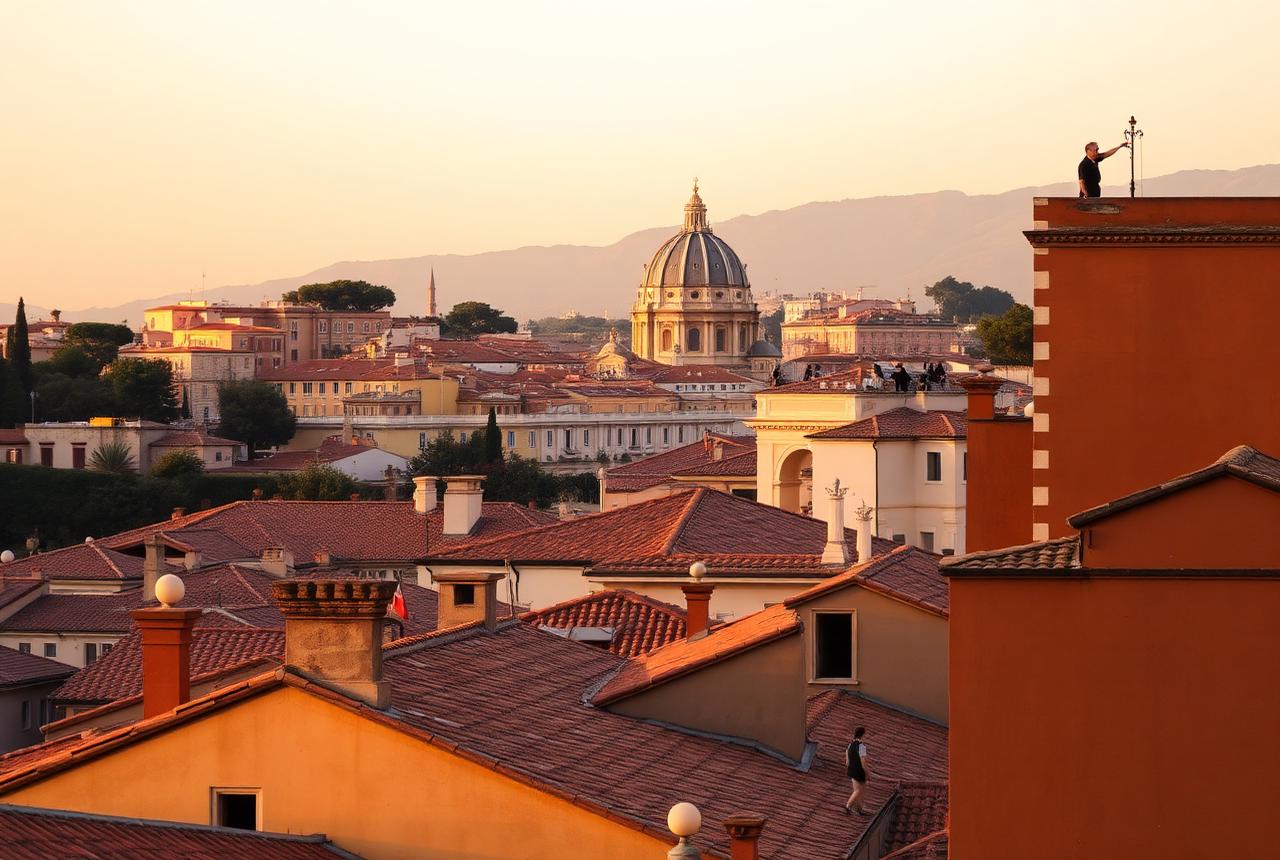
Italy
+One of the quietest and best-value periods, making major sights much easier to experience.
–Cool temperatures, shorter days and a higher chance of rain.
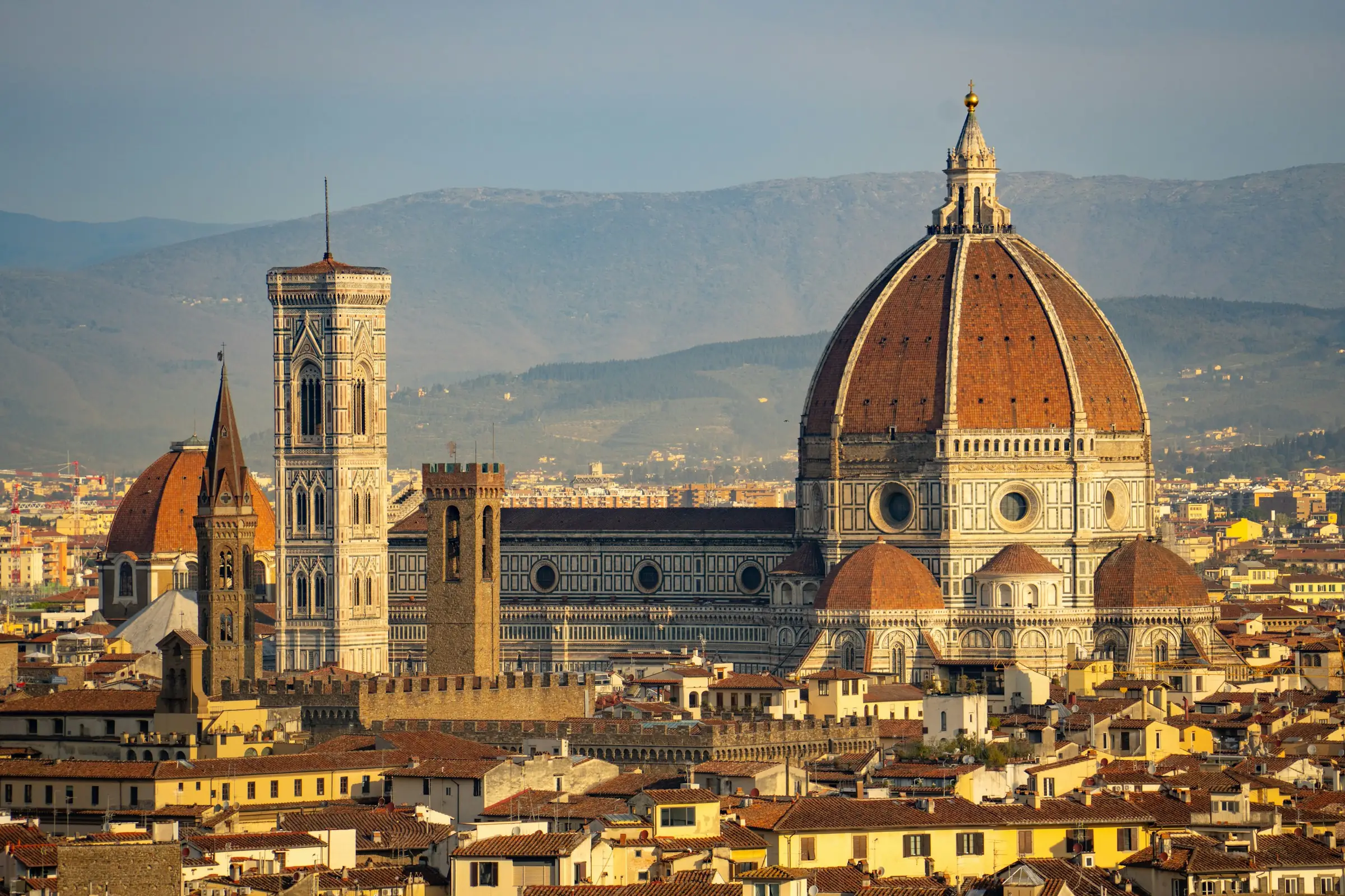
Italy
+Lowest crowds + lowest prices
–Cold, with grey, wet days common
Colder, but famous sights and restaurants are much easier to enjoy than in summer.
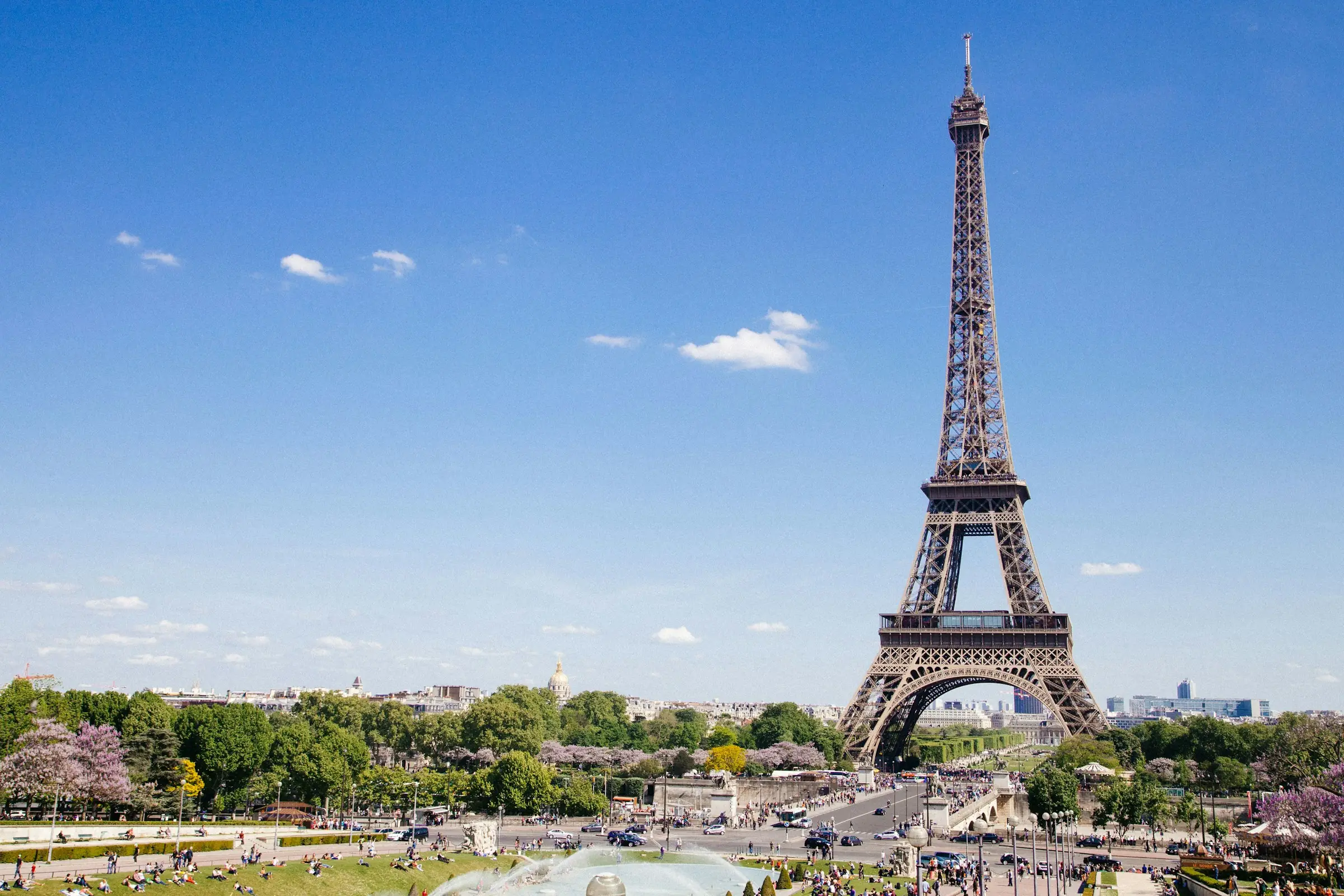
France
+Museums and restaurants are genuinely easy to get into.
–Short, grey days with little terrace life.
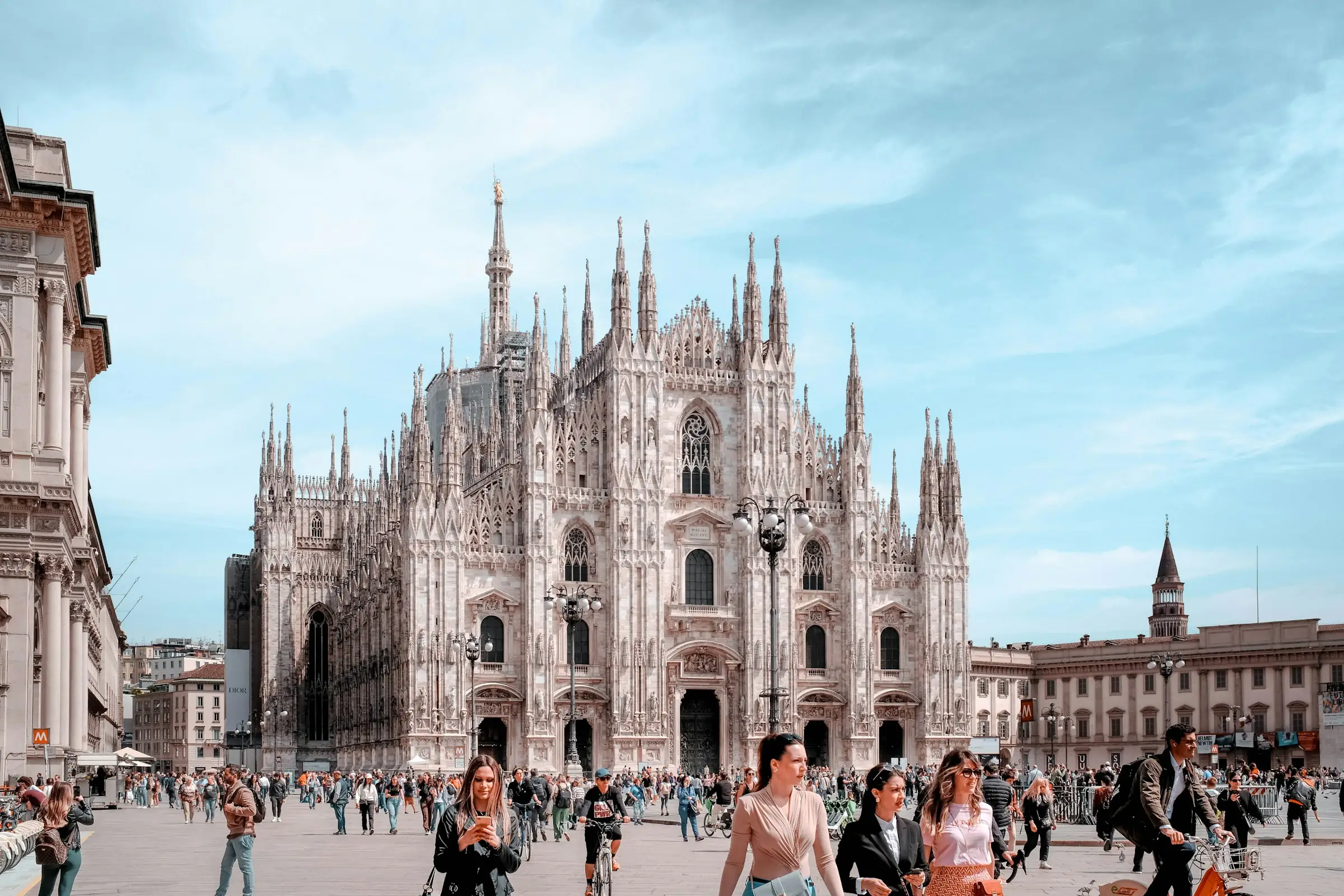
Italy
+Museums and galleries with almost no one in them, at the year’s lowest rates.
–Cold, grey and short days — outdoor time is limited.
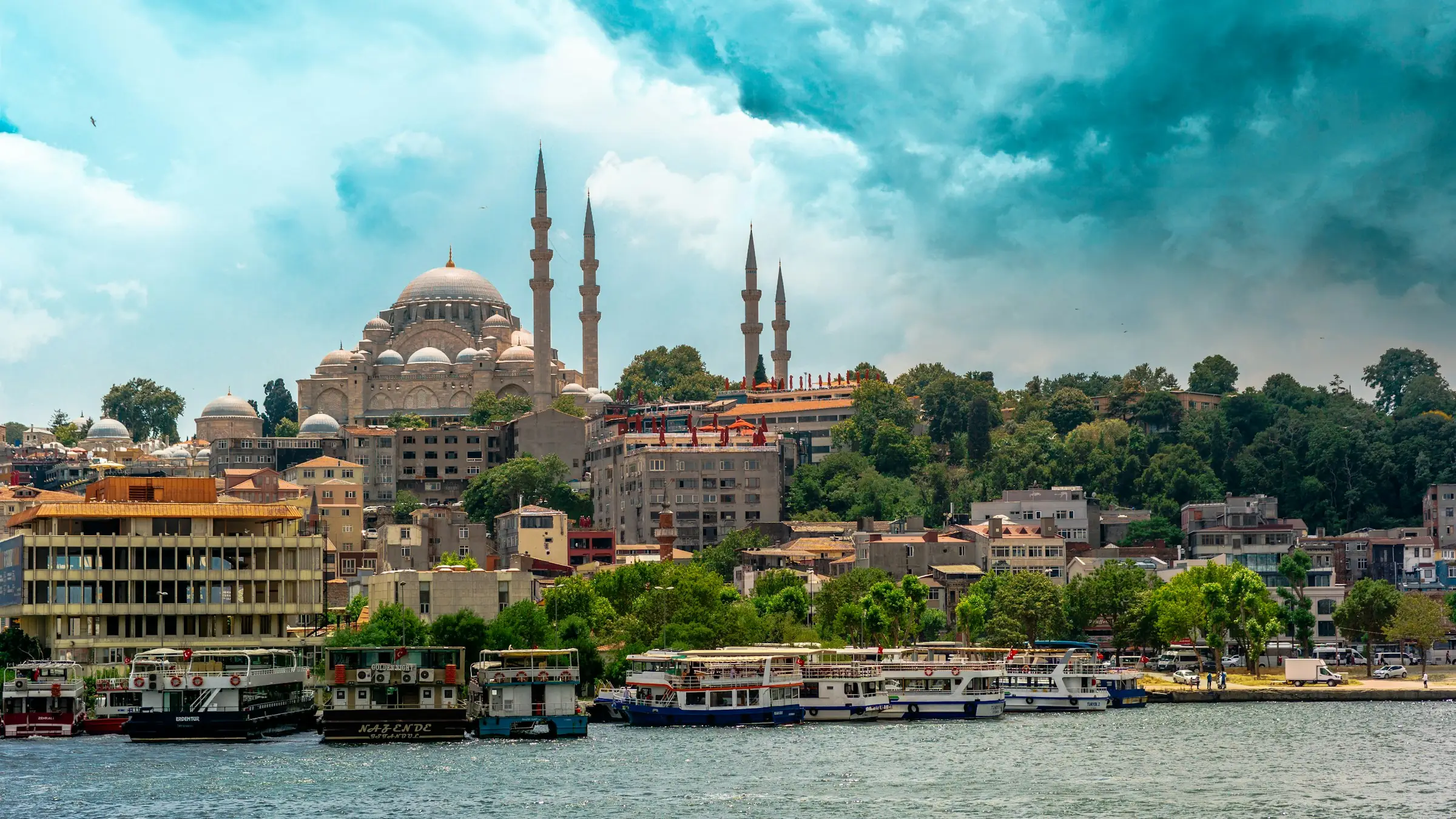
Turkey
+One of the strongest months for fewer crowds, lower demand and better value.
–Genuinely cold — outdoor sightseeing is less comfortable.
Germany
+Lowest crowds + lowest prices
–Cold, with snow and ice possible
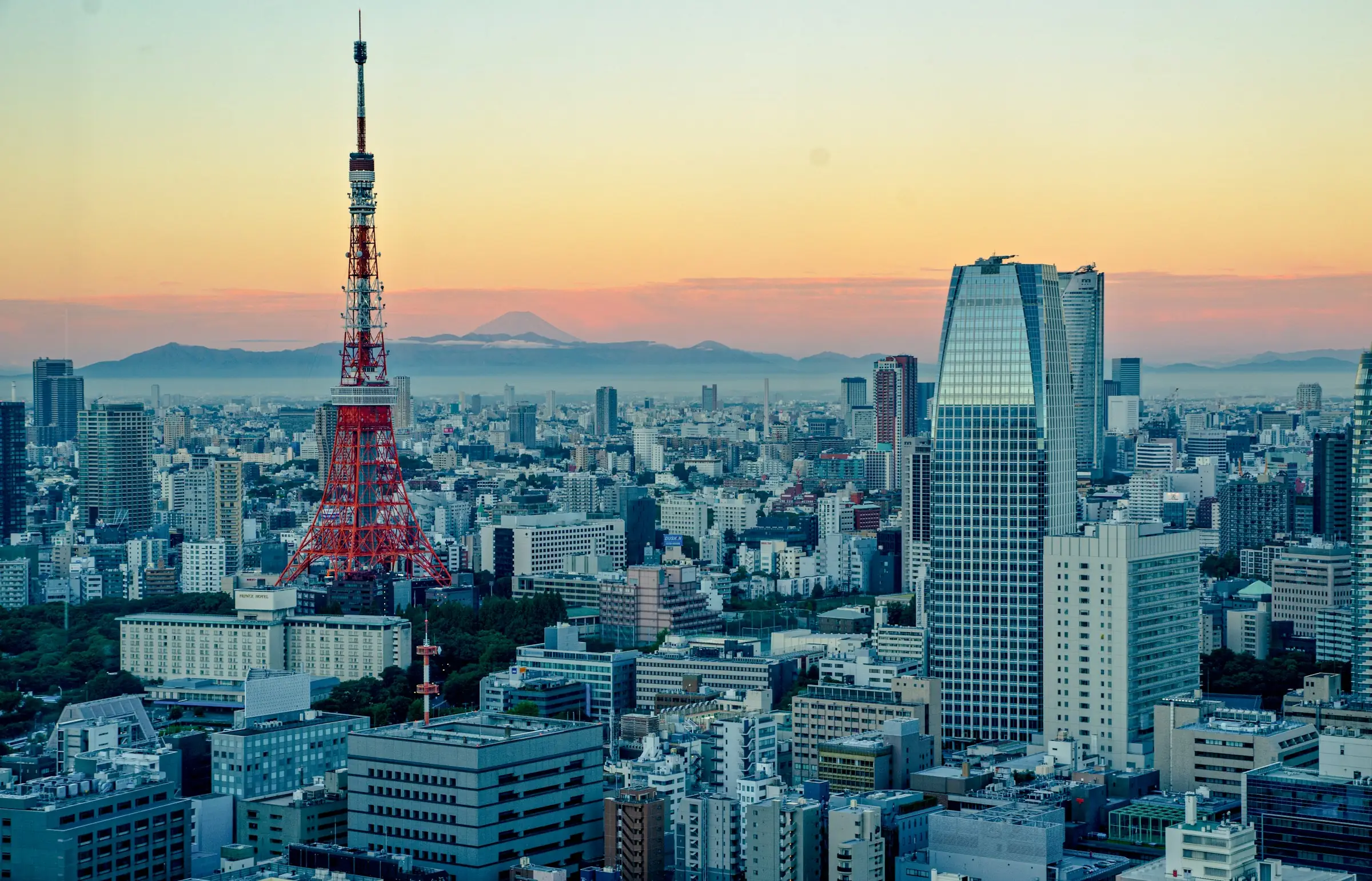
Japan
+Dry blue skies, the lowest rates of the year and almost no queues.
–Cold mornings and a near-shutdown during the first days of the month.
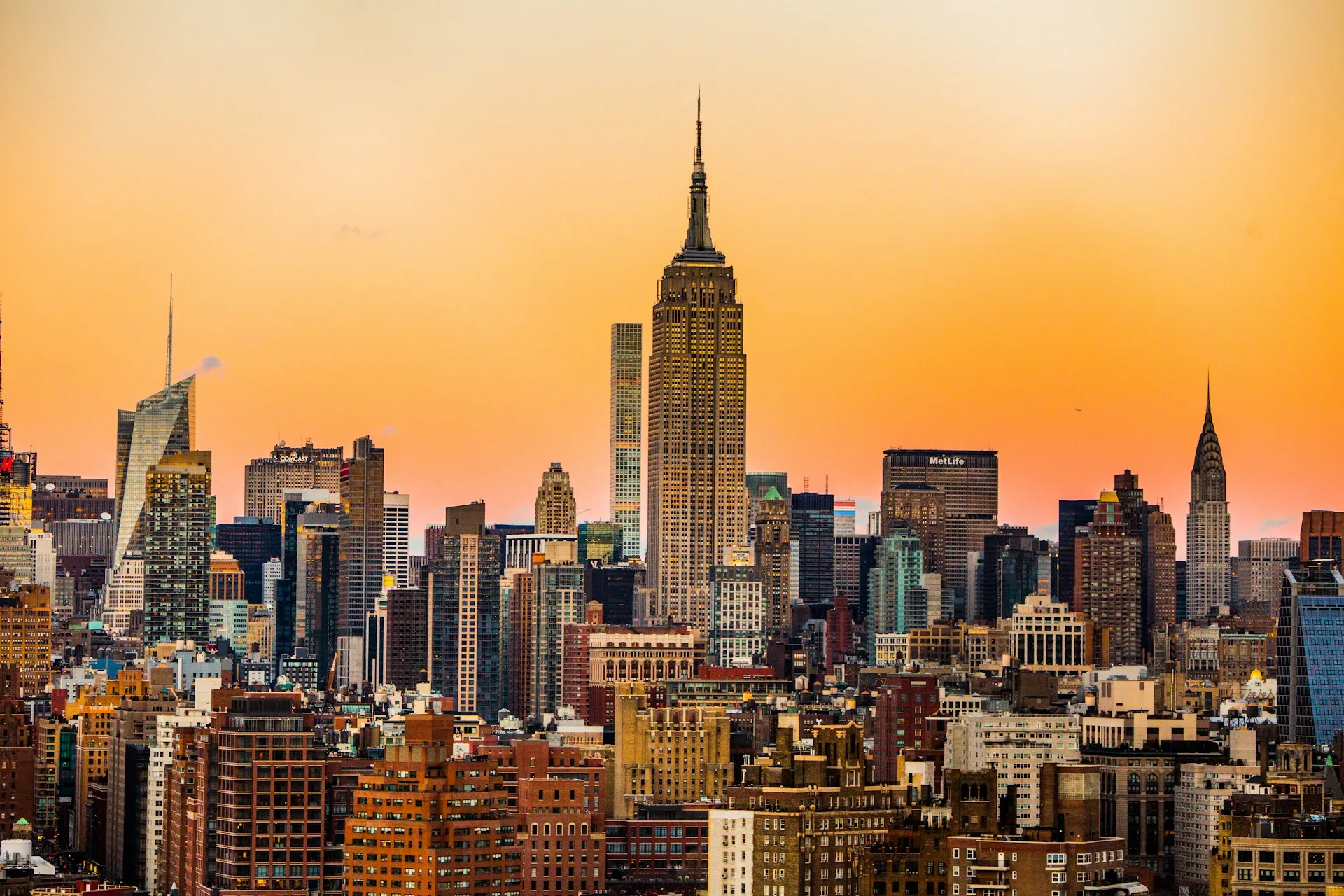
United States
+One of the strongest months for fewer crowds, lower demand and better value.
–Genuinely cold — outdoor sightseeing is less comfortable.
Mild days and clear skies for a city break with a coat rather than a parka.
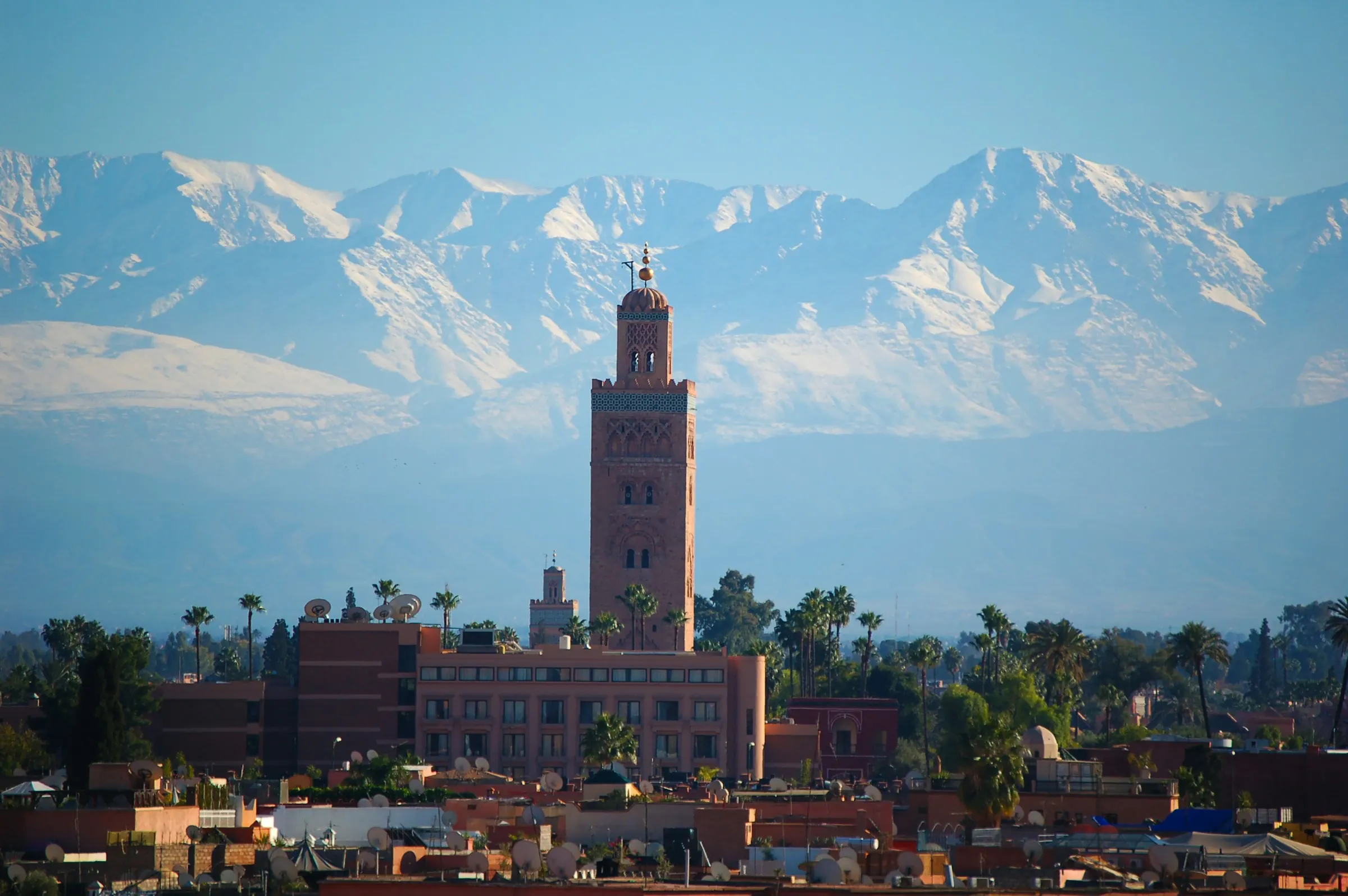
Morocco
+More space in the medina
–Cold evenings
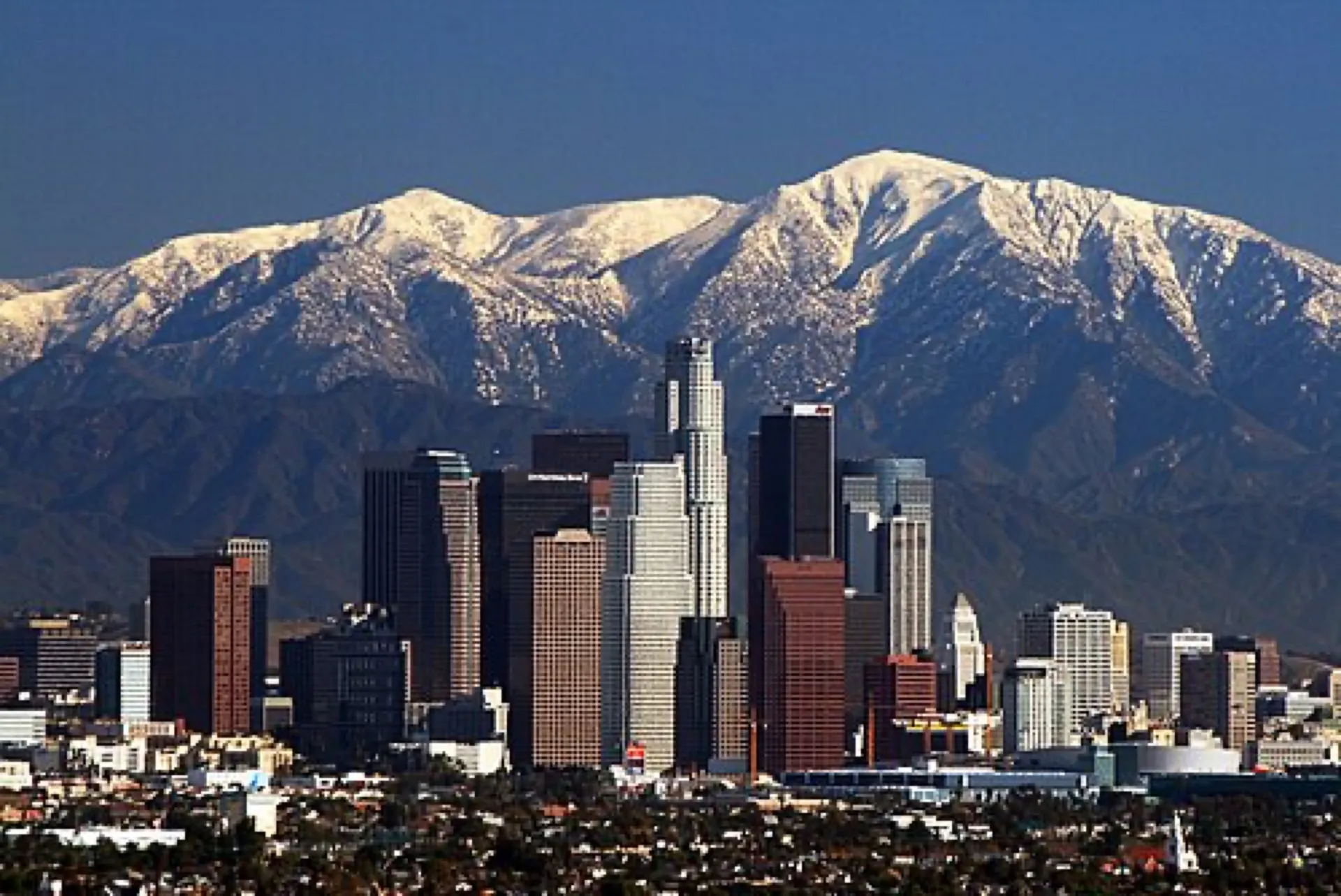
United States
+Quiet streets, lower rates and a packed awards-season calendar.
–Cooler nights and a higher chance of rain than the rest of the year.
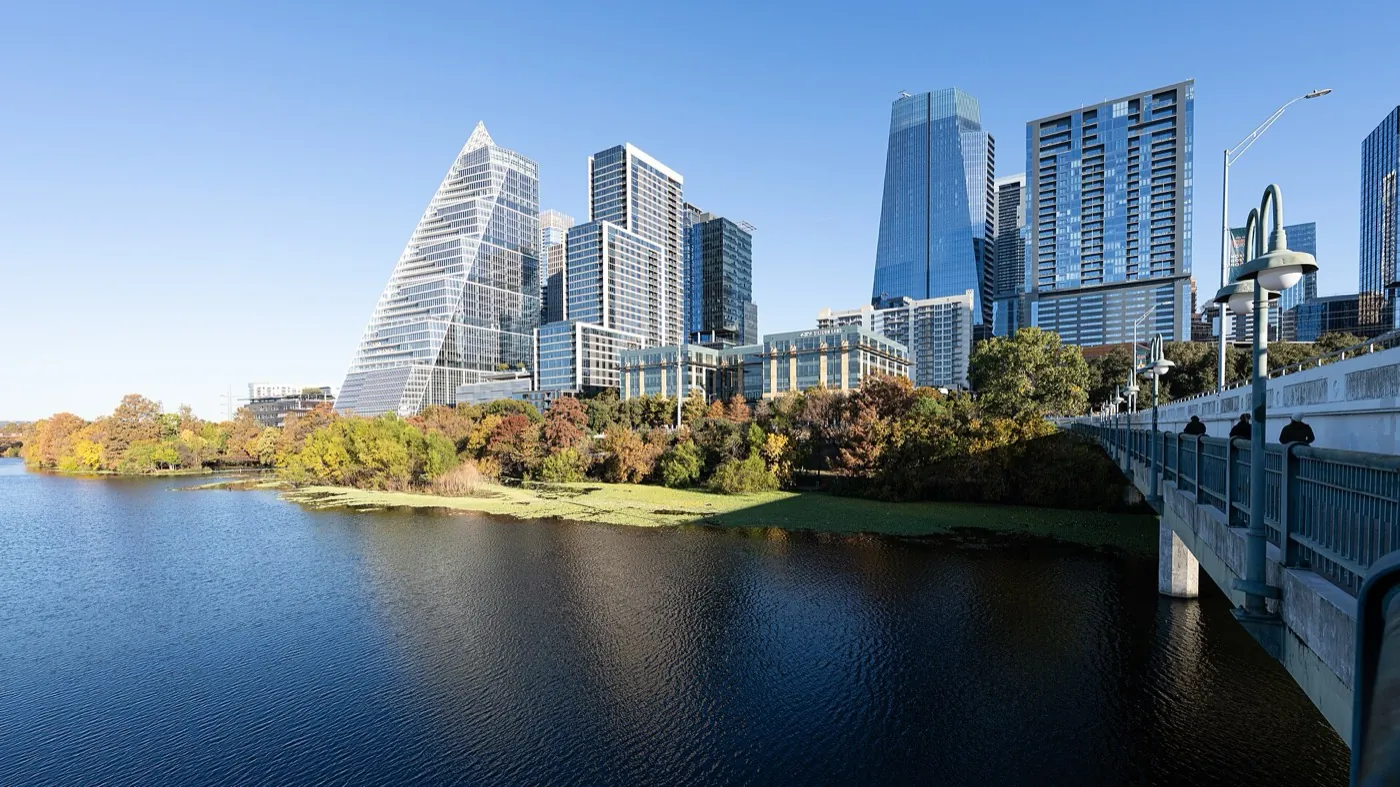
United States
+One of Austin's quieter periods — a good choice if you care more about value than warm weather.
–Cooler weather means you'll trade warm days for the calm.
Before you book
Look at the January page, not just the headline
Some museums, restaurants and attractions reduce their hours in January and February. Check opening times for the places you most want to see.
Daylight is short
Plan outdoor sights for the middle of the day and keep evenings for restaurants, bars and rooftops.
Book a flexible rate
Winter weather can disrupt flights and trains. A refundable hotel rate costs a little more and gives you room to adapt.
FAQ
Mild southern cities such as Valencia, Seville and Rome are the easiest, with fewer crowds and lower prices than the rest of the year. Paris, Milan and Munich are colder but good value.
In most European cities, yes, outside of the New Year and any local events. The cards below show the price level for January.
Most major sights stay open, but some reduce hours or close for maintenance. Check each attraction's official calendar.
More winter ideas